




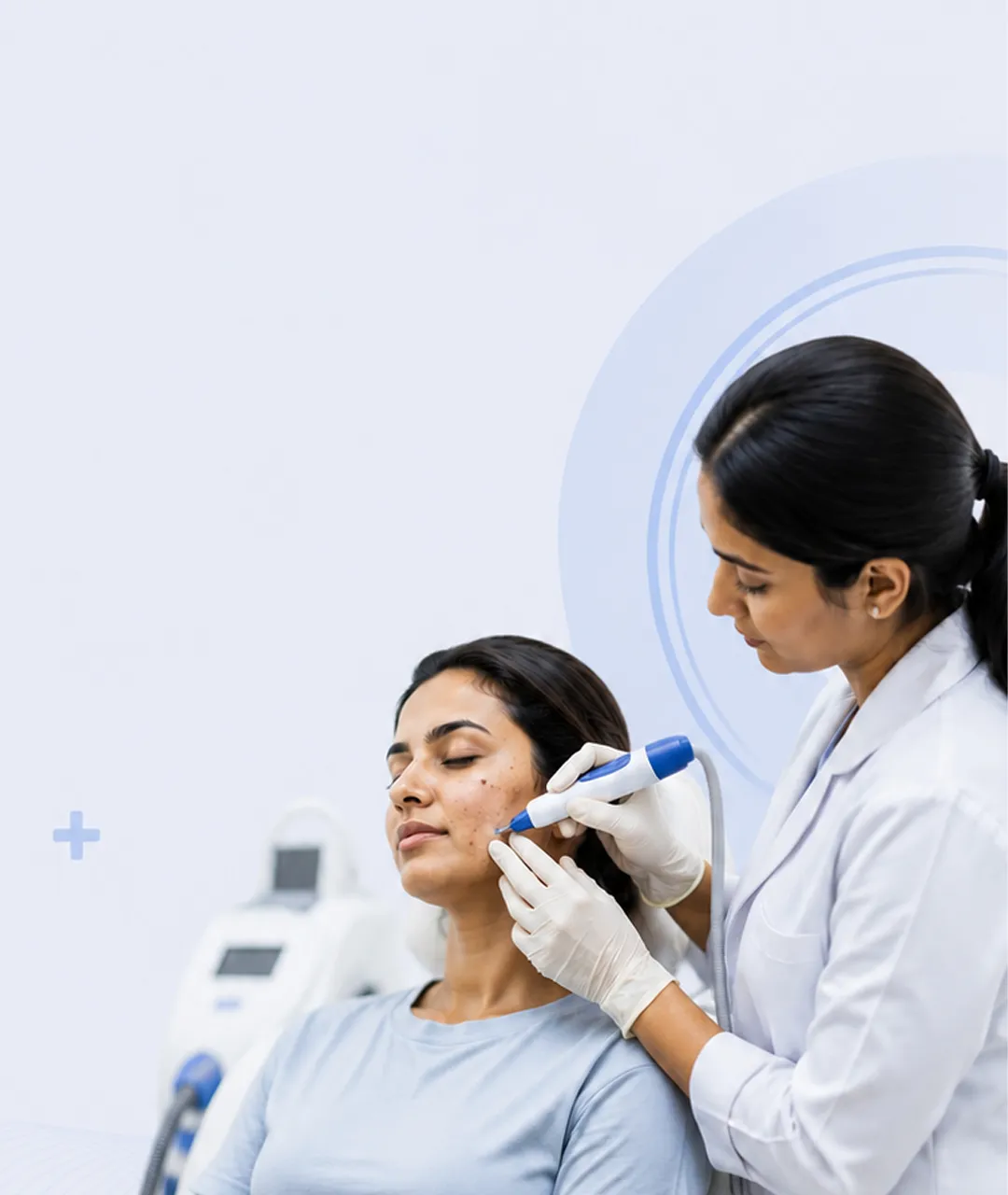
Psoriasis is a chronic inflammatory skin condition that causes red, scaly, itchy patches on the skin. The early signs often include persistent dryness, scaling, itching and patches that keep coming back even after temporary improvement.
The condition commonly affects the scalp, elbows, knees, lower back and other areas of the body. Some people may also notice nail changes such as pitting, thickening, or discoloration. Because psoriasis can look similar to eczema, fungal infections, or dermatitis, an accurate diagnosis is important before starting treatment.
Early diagnosis helps identify the type and severity of psoriasis and allows treatment to begin before symptoms become more difficult to control. A dermatologist can also check for associated conditions, including scalp involvement and joint symptoms that may occur in some patients.
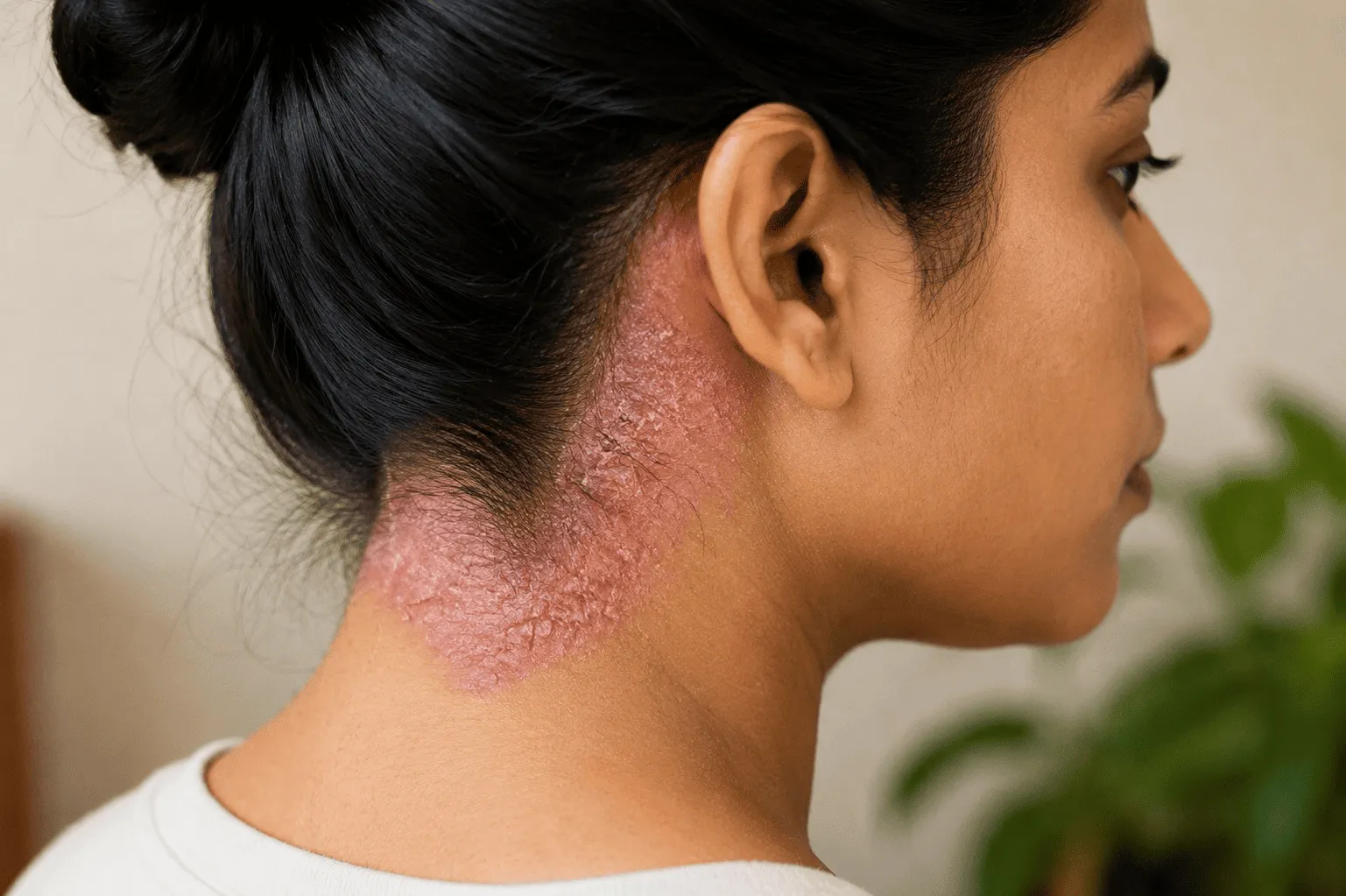

Psoriasis can return because it is a long-term immune-related condition. Symptoms often improve with treatment, but flare-ups may occur when the immune system becomes more active or when certain triggers are present.
Common triggers include stress, skin injuries, infections, certain medications, smoking, alcohol use and weather changes. In some people, flare-ups occur without a clearly identifiable trigger, which is why ongoing management is often important.
Understanding your personal triggers can help reduce the frequency and severity of flare-ups. Long-term psoriasis treatment focuses not only on improving the skin but also on managing factors that may contribute to recurrence.
Psoriasis is usually diagnosed through a clinical examination of the skin, scalp and nails. A dermatologist evaluates the appearance, location and pattern of the lesions and may recommend additional tests when the diagnosis is uncertain.
Treatment depends on the severity of psoriasis and the areas affected. Mild psoriasis may respond to topical medications and moisturizers, while moderate to severe psoriasis may require phototherapy, oral medications, or injectable treatments when clinically appropriate.
The goal of treatment is to reduce inflammation, control scaling and itching, improve skin comfort and reduce the frequency of flare-ups. Treatment is personalized because the response to psoriasis therapy can vary from one person to another.
Our process begins with a detailed consultation to understand your symptoms, flare-up history, previous treatments, medical conditions and possible triggers. This helps determine the type and severity of psoriasis and identify factors that may be contributing to recurrent flare-ups.
A thorough skin examination is performed, including assessment of scalp and nail involvement when present. Based on the findings, a personalized treatment plan is created using evidence-based treatment options that are appropriate for your condition and lifestyle.
Regular follow-up visits are an important part of long-term psoriasis management. Treatment may be adjusted over time depending on how your skin responds, with the aim of improving symptom control, reducing flare-ups and supporting long-term skin health.
Psoriasis treatment is most effective when it is based on an accurate diagnosis, regular monitoring and a personalized treatment plan. Our approach focuses on long-term disease control rather than short-term symptom relief alone.
Every patient receives a detailed evaluation of skin involvement, symptom severity, possible triggers and previous treatment response. This helps ensure that treatment is tailored to the individual rather than following a standard approach for every patient.
We also emphasize patient education, skincare guidance, trigger management and long-term follow-up. The goal is to help patients manage psoriasis more effectively, reduce flare-ups and improve quality of life through evidence-based dermatological care.
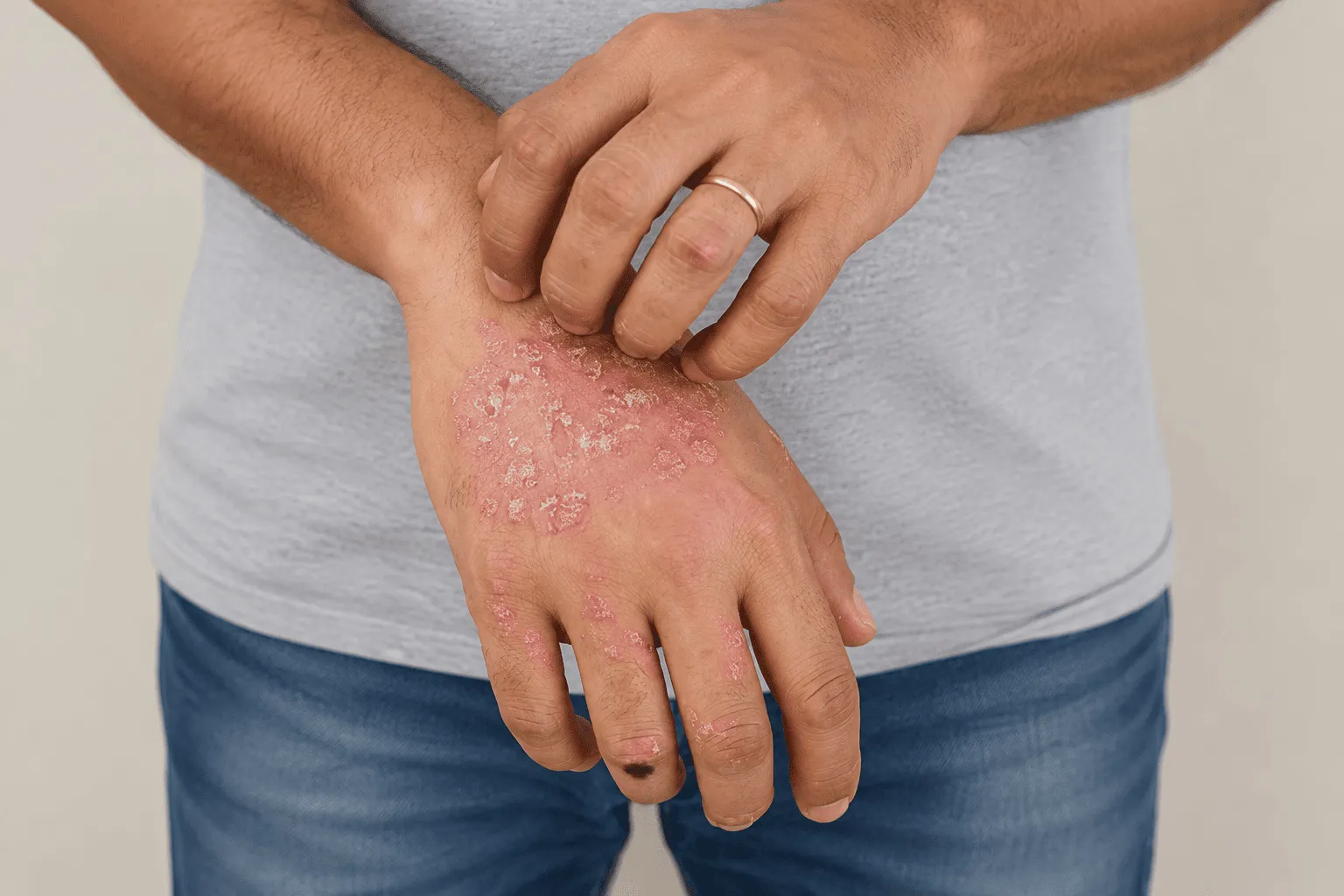
Psoriasis can affect different parts of the body and the treatment depends on the type of psoriasis and its severity. A proper diagnosis helps determine the most effective treatment plan and long-term management approach.
Plaque psoriasis is the most common type and usually appears as thick, red patches covered with silvery scales. Scalp psoriasis can cause persistent scaling, itching and flakes that may extend beyond the hairline. Nail psoriasis may lead to pitting, thickening, discoloration, or separation of the nail from the nail bed.
Other forms include guttate psoriasis, which often appears as small drop-like spots, inverse psoriasis that affects skin folds and pustular psoriasis, which is less common and requires specialist care. At Safa Skin and Hair Clinic, psoriasis treatment in Egmore is planned according to the specific type of psoriasis, the areas involved and the impact on your daily life.
Psoriasis flare-ups can be triggered by stress, infections, skin injuries, certain medications, smoking, alcohol and weather changes. Identifying your personal triggers can help reduce the frequency and severity of future flare-ups.
Many patients notice that their psoriasis worsens during periods of emotional stress or after infections such as a sore throat. Skin injuries, excessive scratching and some medications may also trigger new psoriasis patches in susceptible individuals. Dry weather can make scaling and irritation more noticeable in some people.
Because triggers vary from person to person, keeping track of flare-ups can be helpful. Understanding these patterns allows your dermatologist to recommend lifestyle changes, skincare measures and treatment adjustments that support better long-term psoriasis control.
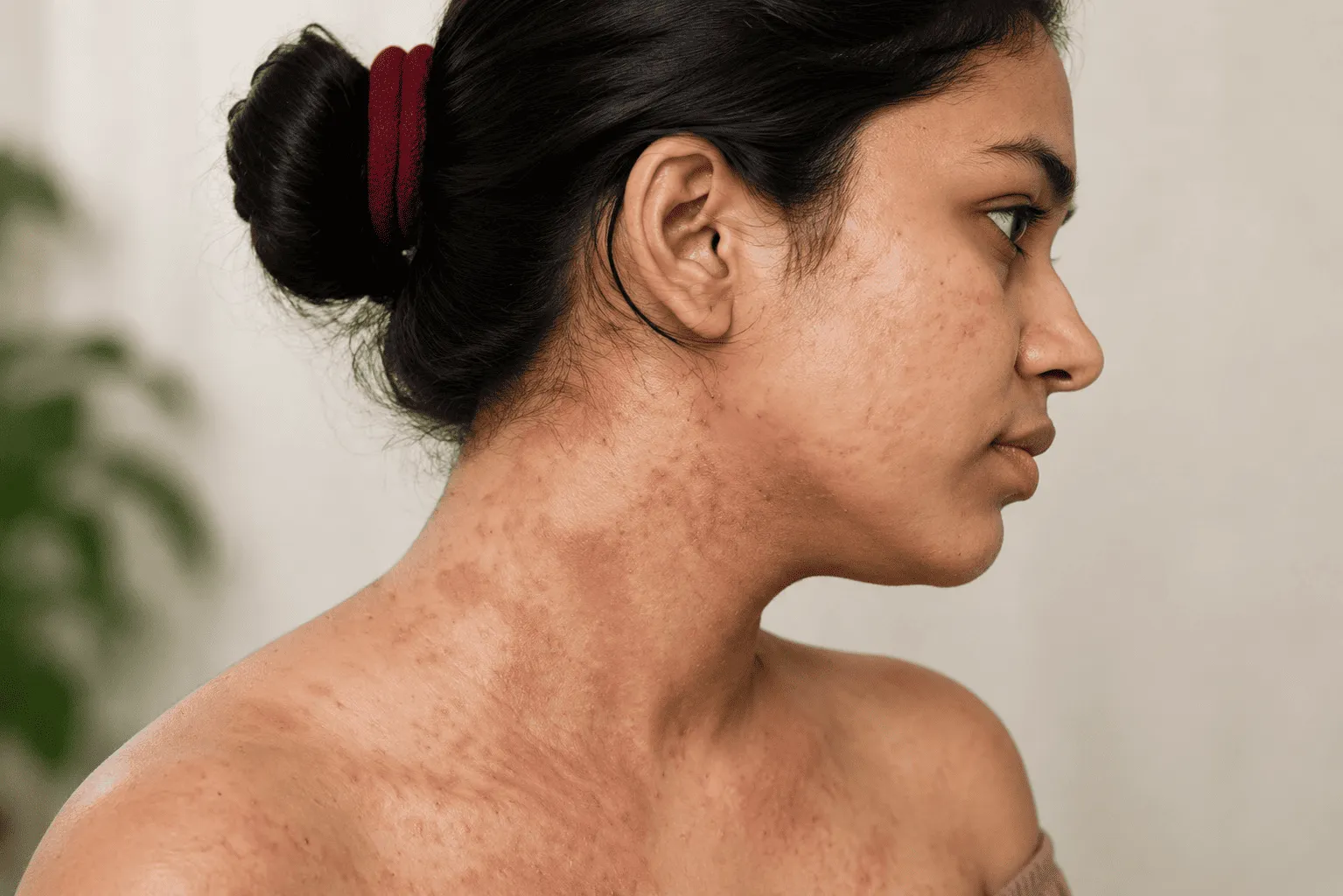
Psoriasis treatment can often reduce itching, scaling, redness and the frequency of flare-ups, but it may not permanently cure the condition. The goal is to improve skin comfort, control symptoms and support long-term disease management.
Many patients notice improvement within a few weeks of starting appropriate treatment, although the response varies depending on the type and severity of psoriasis. Some people achieve long periods with minimal symptoms, while others may require ongoing treatment to keep flare-ups under control.
Treatment plans are regularly reviewed and adjusted based on how your skin responds. Consistent follow-up, proper skincare and avoiding known triggers can help improve long-term outcomes and reduce the impact of psoriasis on daily life.
Daily skincare and consistent treatment can help reduce psoriasis symptoms and lower the risk of flare-ups. Simple habits often play an important role in long-term psoriasis management.
Using a gentle moisturizer regularly helps reduce dryness, scaling and skin irritation. Avoiding harsh soaps, excessive scratching and skin injuries can also help prevent worsening of existing plaques. Stress management, adequate sleep and following your prescribed treatment plan are important parts of daily psoriasis care.
Sun protection is especially important for exposed areas of the skin and any new or worsening symptoms should be reviewed by a dermatologist. Regular follow-up allows treatment to be adjusted when needed and helps maintain better long-term control of psoriasis.
You should see a dermatologist if psoriasis is spreading, causing severe itching or pain, affecting the scalp or nails, or interfering with your daily activities. Early treatment can help improve symptom control and reduce the risk of complications.
Medical evaluation is especially important if you have widespread psoriasis, frequent flare-ups, nail changes, joint pain, or if over-the-counter treatments are not helping. Some people with psoriasis may develop joint inflammation, which requires timely assessment and appropriate treatment.
A dermatologist can confirm the diagnosis, assess the severity of the condition and create a personalized treatment plan. At Safa Skin and Hair Clinic, psoriasis treatment in Egmore focuses on evidence-based care, long-term monitoring and treatment plans tailored to your skin condition, symptoms and lifestyle needs.
We assess skin plaques, scalp involvement, nail changes, joint symptoms and factors that may be influencing flare-ups.
A considered treatment strategy is created around disease severity, general health, lifestyle and previous therapy response.
Suitable topical, light-based or systemic care is introduced to reduce scaling, itching and immune-driven inflammation.
Ongoing reviews, trigger awareness and medication monitoring help sustain control and address changes at an early stage.