




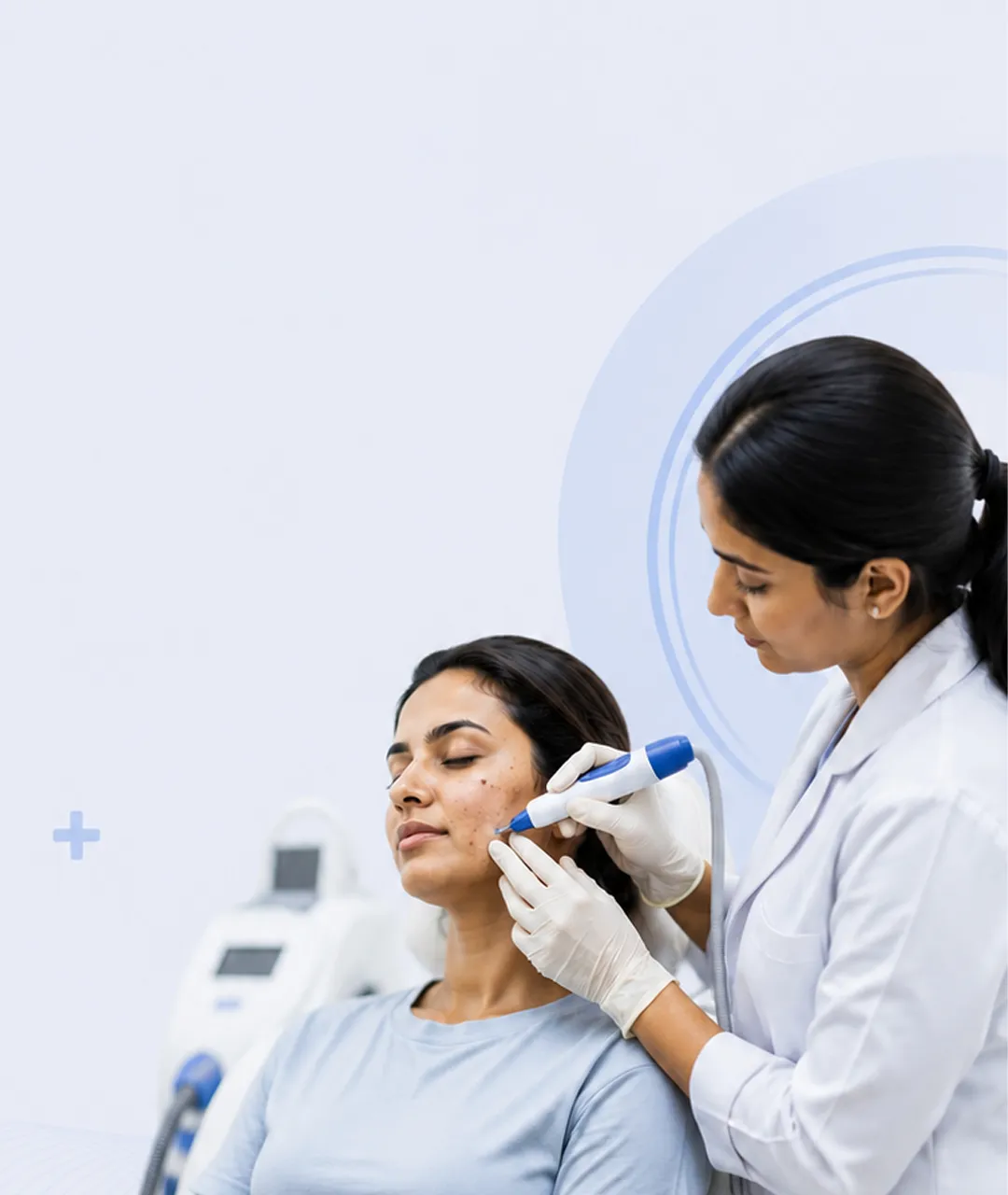
Pigmentation is the appearance of darker patches, spots, or uneven skin tone caused by excess melanin production. Common causes include sun exposure, melasma, acne marks, hormonal changes, skin inflammation and previous skin injuries.
Different types of pigmentation require different treatments. Melasma, post-inflammatory hyperpigmentation and sun-induced pigmentation may look similar, but they do not always respond to the same treatment approach. A proper skin evaluation helps identify the cause and choose the most effective pigmentation treatment in Egmore.
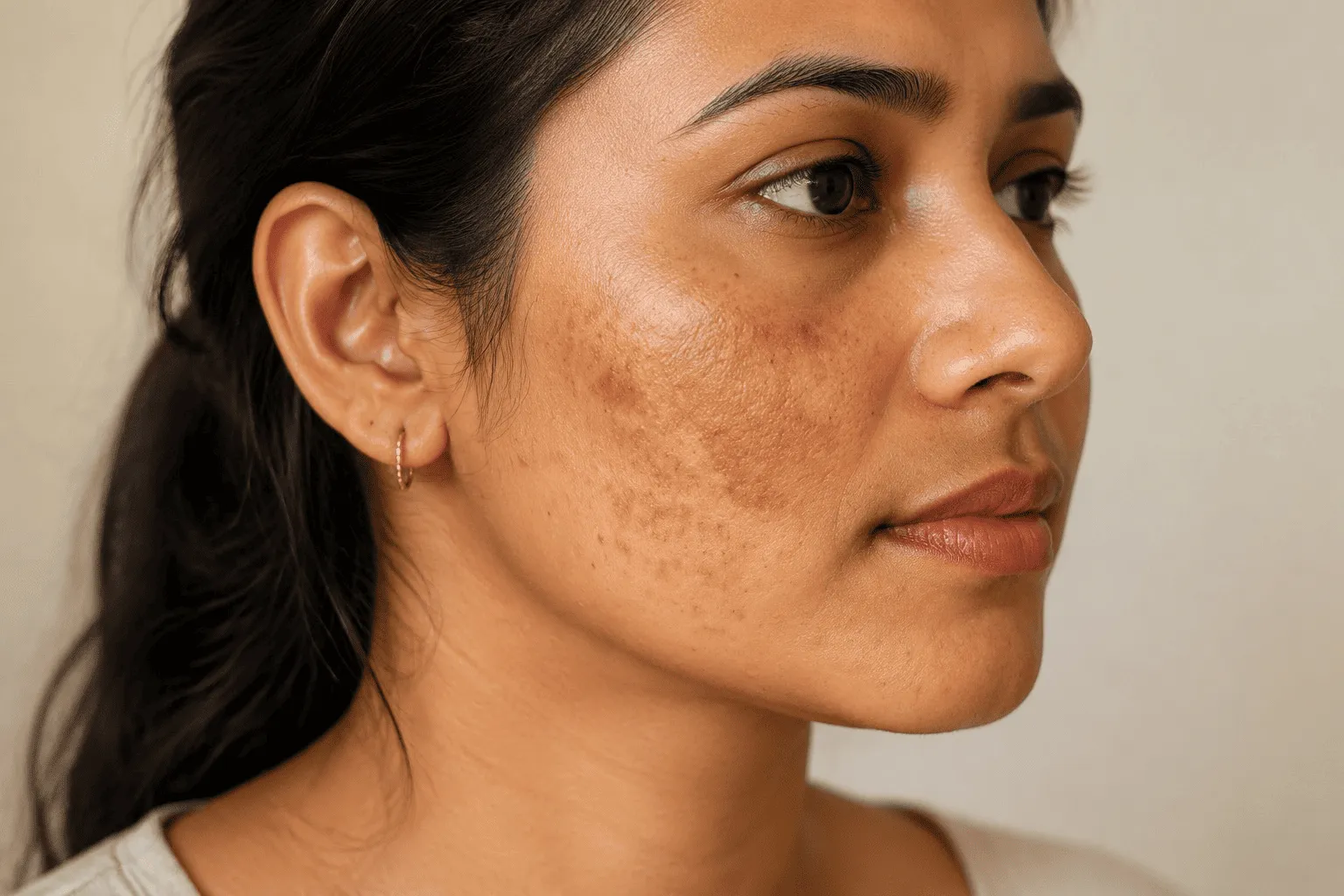
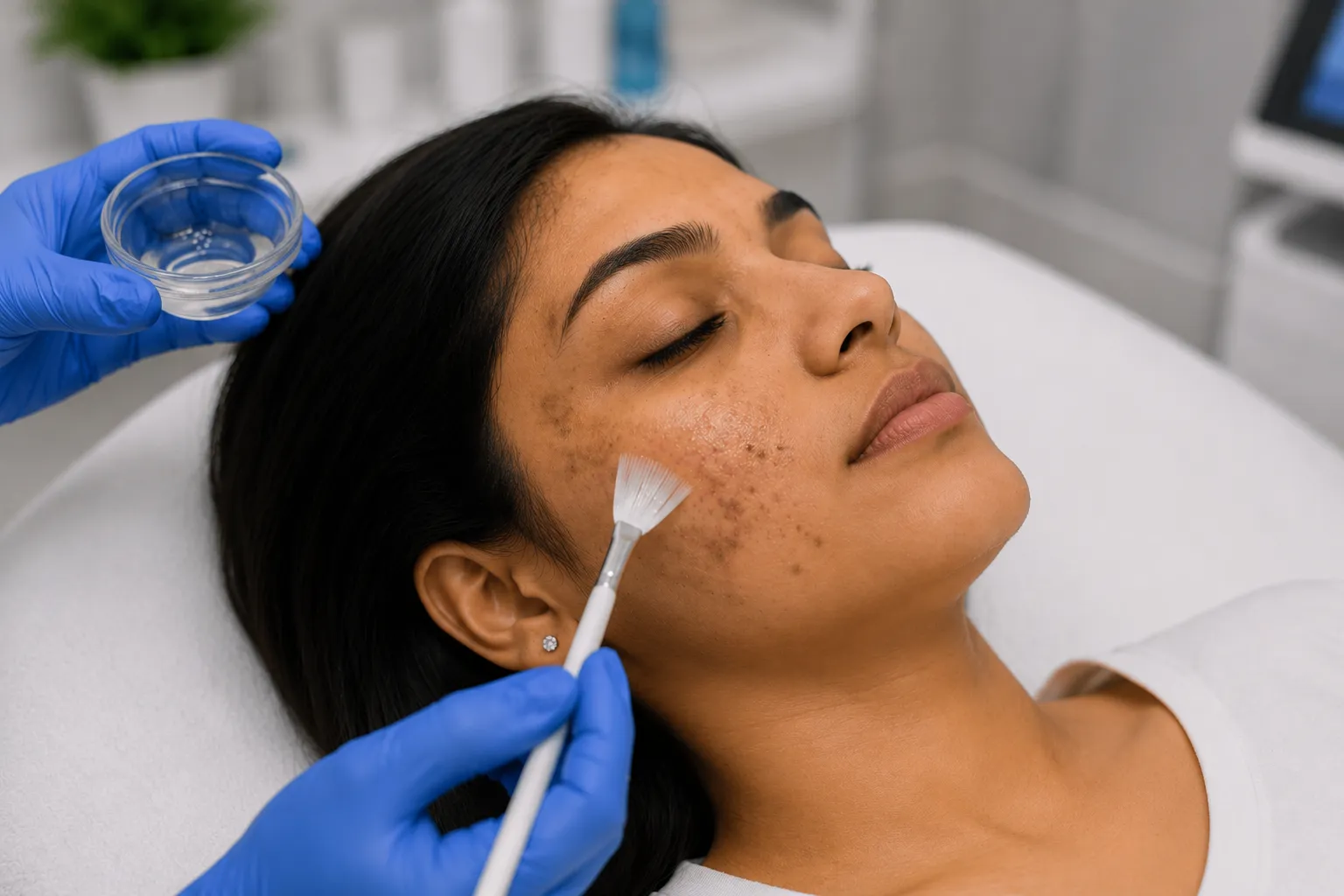
Pigmentation often returns when the underlying trigger is not addressed. Sun exposure, hormonal influences, recurring acne, skin irritation and inconsistent skincare are some of the most common reasons for recurrence.
Melasma is especially known for recurring because it can be influenced by sunlight and hormones. Long-term management usually involves a combination of treatment, daily sun protection and a skincare routine designed to reduce the risk of new pigmentation developing.
Pigmentation treatment is planned based on the type, depth and cause of the pigmentation. A personalized approach helps improve results while reducing the risk of irritation or worsening discoloration.
Treatment may include prescription creams, chemical peels, laser pigmentation treatment and medical-grade skincare depending on your skin type and the severity of pigmentation. The goal is gradual, controlled improvement rather than aggressive treatment.
Our process begins with a detailed skin consultation to understand your pigmentation pattern, medical history, previous treatments and possible triggers. This helps identify whether the pigmentation is superficial, deeper in the skin, or a combination of both. Based on the evaluation, a personalized treatment plan is created with appropriate procedures, skincare recommendations and follow-up visits. Regular monitoring helps adjust treatment when needed and supports long-term improvement.
Pigmentation treatment is most effective when it is guided by a qualified dermatologist who can accurately diagnose the cause of pigmentation and recommend evidence-based treatment options. A medical evaluation helps determine whether topical medications, chemical peels, laser treatment, or a combination approach is appropriate.
At Safa Skin and Hair Clinic, pigmentation treatment is planned after a detailed skin assessment, evaluation of possible triggers and discussion of your treatment goals. The focus is on safe, personalized treatment, realistic expectations and long-term management of conditions such as melasma and recurrent hyperpigmentation. For patients seeking pigmentation treatment in Egmore, a dermatologist-led approach helps improve treatment accuracy, monitor progress, adjust therapy when needed and provide guidance on sun protection and skincare to support long-term skin health.
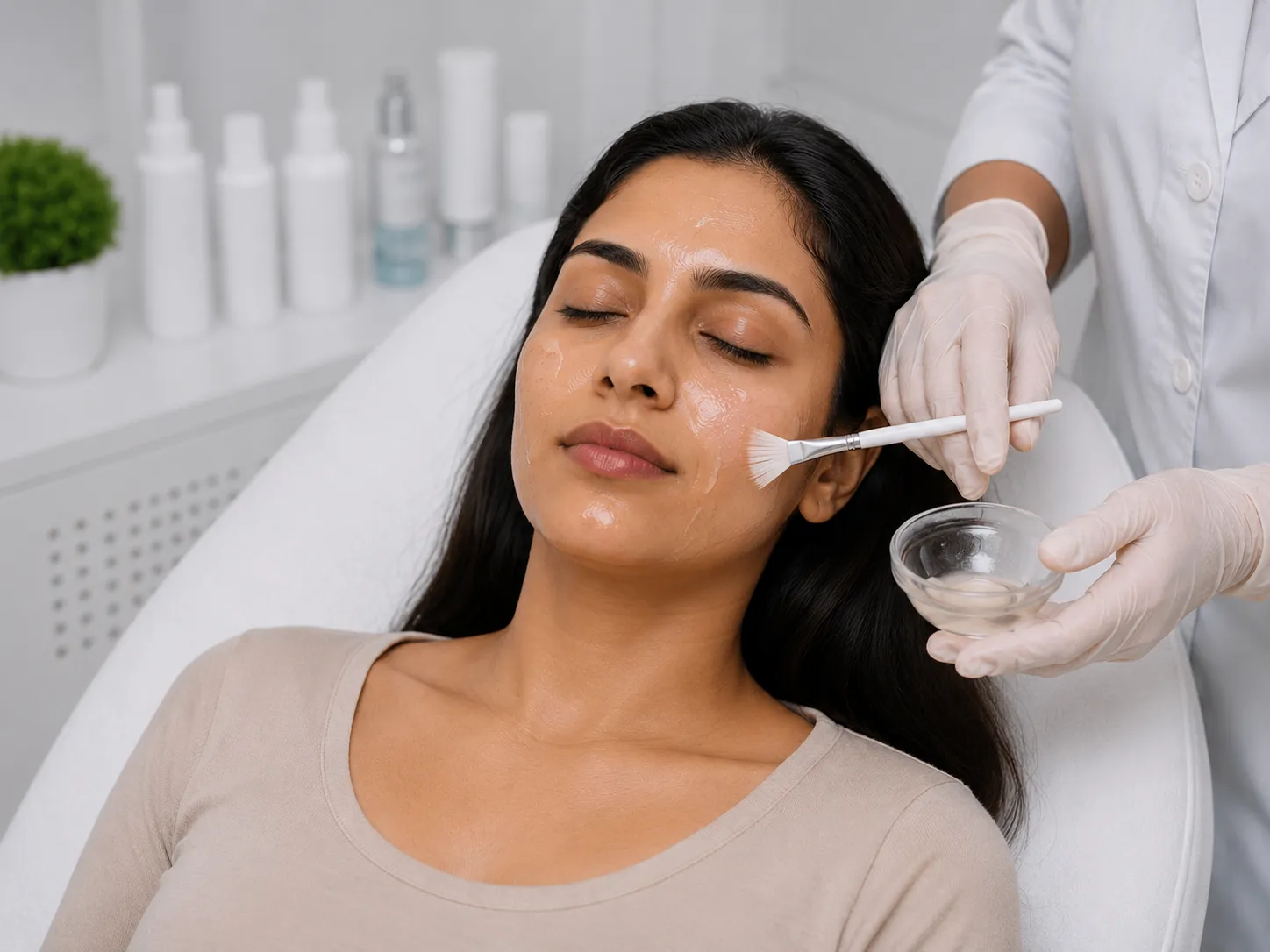
Pigmentation can appear as melasma, acne marks, sun spots, age spots, or uneven skin tone. The best treatment depends on the type, depth and cause of the pigmentation, which is why a dermatologist’s evaluation is important before starting treatment.
Melasma is a common form of pigmentation that usually appears on the cheeks, forehead, upper lip and chin. It is often influenced by sun exposure, hormonal changes, pregnancy, or certain medications. Melasma may become darker over time and usually requires a long-term management approach rather than a single treatment session.
Post-inflammatory hyperpigmentation develops after acne, eczema, skin injuries, or inflammation. Sun spots and age spots are more commonly related to cumulative sun exposure. Because each type of pigmentation responds differently, identifying the exact condition helps create a more effective and safer pigmentation treatment plan.
Pigmentation treatment is most effective when it is based on an accurate diagnosis and a personalized treatment plan. Our approach focuses on identifying the underlying cause of pigmentation and selecting treatments that are suitable for your skin type and pigmentation pattern. We emphasize evidence-based treatment, sun protection guidance and long-term skin health rather than temporary cosmetic improvement. Every treatment plan is tailored to help improve skin clarity while minimizing unnecessary irritation and reducing the risk of recurrence.
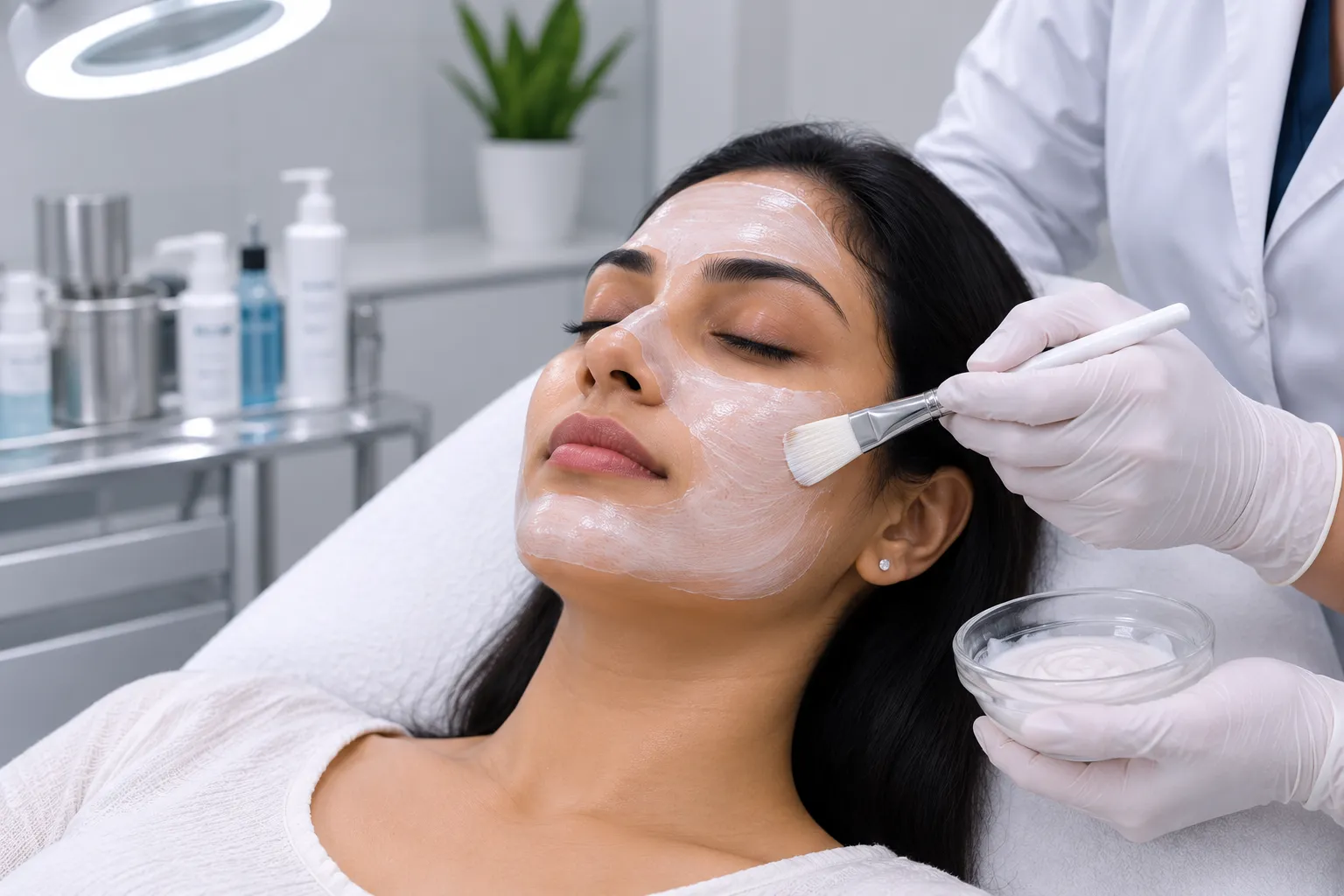
You should consider pigmentation treatment if you have persistent dark spots, melasma, acne marks, uneven skin tone, or pigmentation that has not improved with regular skincare products. A dermatologist can help identify the underlying cause and recommend appropriate treatment.
Many people delay treatment because they assume all pigmentation is the same. In reality, deeper pigmentation, melasma and post-inflammatory hyperpigmentation often require different treatment approaches. Self-treatment with strong creams or unverified home remedies may sometimes worsen irritation or pigmentation.
A consultation is especially useful if pigmentation is spreading, becoming darker, recurring frequently, or affecting your confidence. Early diagnosis and appropriate treatment can help improve skin clarity while reducing the risk of unnecessary skin damage.
Pigmentation treatment usually improves dark spots and uneven skin tone gradually over time. Most patients notice progressive improvement rather than an immediate change after a single session.
The speed of improvement depends on the type of pigmentation, its depth, sun exposure, skin type and the treatment used. Superficial pigmentation may respond faster than deeper pigmentation or melasma, which often requires a combination of treatments and ongoing sun protection.
The goal of treatment is controlled and even lightening of pigmentation while protecting the skin barrier. Realistic expectations are important because some conditions, especially melasma, may require maintenance treatment to reduce recurrence.
Proper skincare before and after pigmentation treatment helps improve results and reduce the risk of irritation. Sun protection is one of the most important parts of successful pigmentation management.
Before treatment, avoid excessive sun exposure and use a broad-spectrum sunscreen regularly. Depending on the treatment recommended, you may also be advised to avoid certain skincare products for a short period before procedures such as chemical peels or laser treatment.
After treatment, follow the skincare routine prescribed by your dermatologist, avoid picking or scrubbing the treated area and continue daily sunscreen use. Consistent aftercare is especially important for melasma and recurring pigmentation because UV exposure can trigger new pigmentation.
You should see a dermatologist if pigmentation is spreading, becoming darker, recurring frequently, or associated with other skin symptoms. A professional evaluation helps determine whether the pigmentation is benign or requires medical treatment.
Medical assessment is important when pigmentation appears suddenly, changes rapidly, develops irregular borders, is associated with itching, pain, bleeding, or follows a medication reaction. These situations may require a different diagnosis and treatment approach.
A dermatologist can distinguish between melasma, post-inflammatory hyperpigmentation, sun damage and other pigmentary disorders. Accurate diagnosis is the foundation of effective pigmentation treatment in Egmore and helps avoid unnecessary or inappropriate treatments.
We study the colour, depth and distribution of pigmentation while reviewing sun exposure, hormones, products and previous inflammation.
A measured treatment pathway is developed using appropriate home care, in-clinic procedures and daily photoprotection.
Carefully chosen therapies target excess pigment and encourage a clearer complexion while minimising avoidable irritation.
Consistent sunscreen, supportive skincare and periodic reviews help protect improvement and limit repeated darkening.