




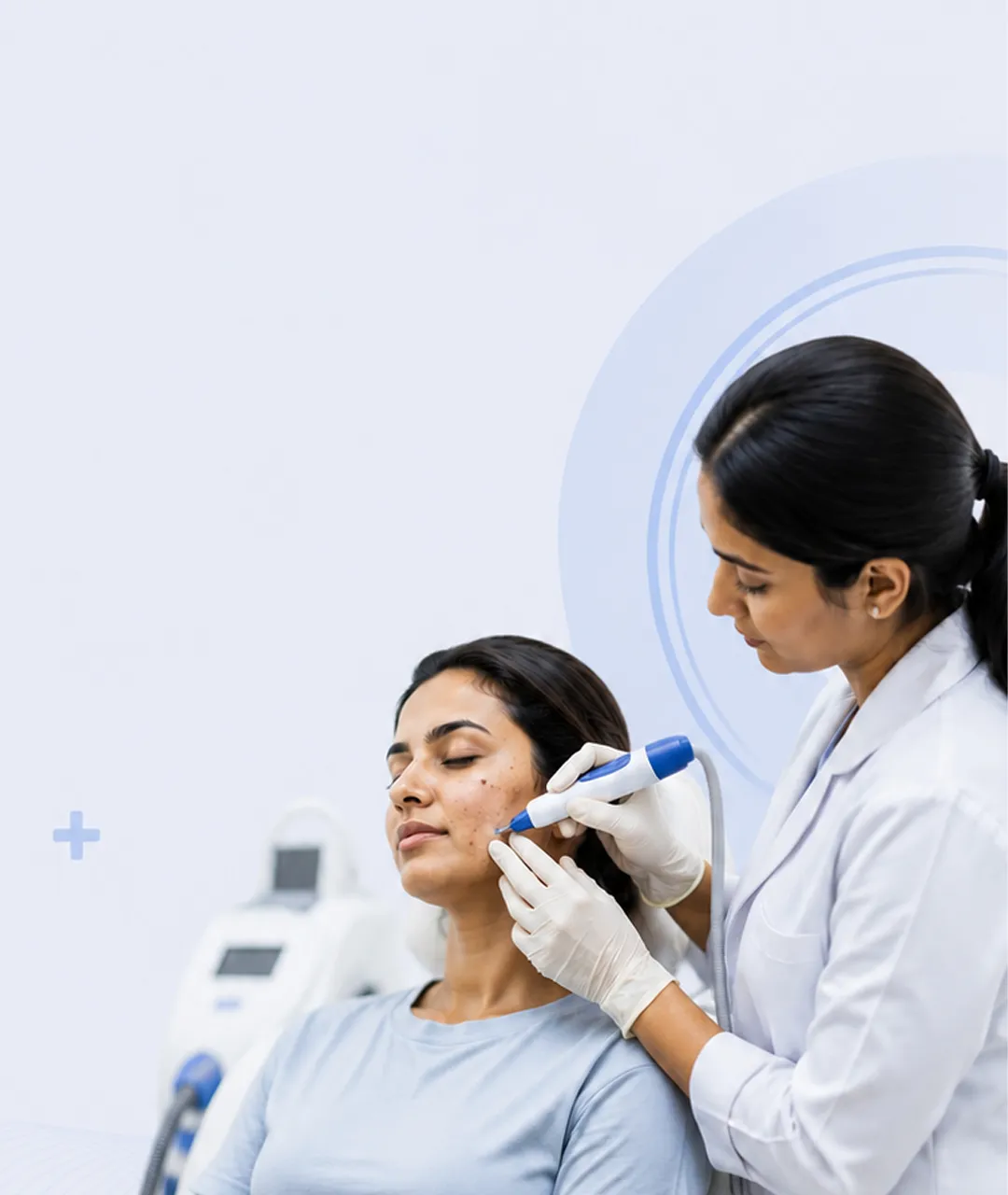
Acne treatment in Egmore helps reduce active pimples, inflammation, recurring breakouts and the risk of acne scars through personalized dermatologist-guided care. The right treatment depends on the type of acne, its severity and the factors triggering your breakouts.
Acne is more than an occasional pimple. It can affect teenagers and adults, appear on the face, chest, back and shoulders and often return repeatedly if the underlying cause is not addressed. At Safa Skin and Hair Clinic in Egmore, acne treatment begins with understanding your skin condition and creating a treatment plan that focuses on long-term skin health rather than temporary relief.
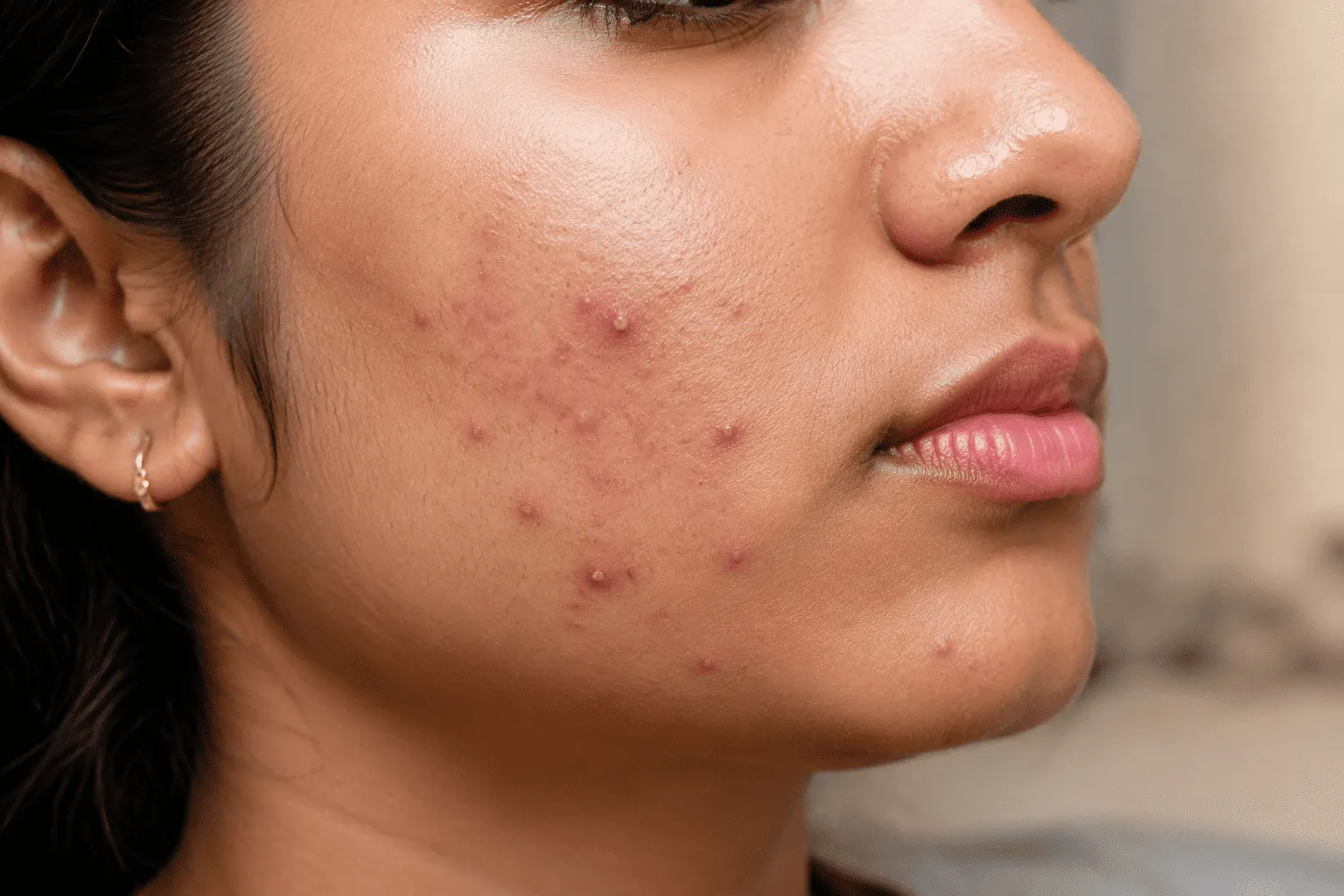
Acne develops when hair follicles become blocked with oil, dead skin cells and bacteria, leading to pimples, blackheads, whiteheads, or deeper inflamed lesions. Recurring acne usually happens because the underlying triggers continue to affect the skin.
Common acne triggers include excess oil production, hormonal changes, genetics, stress, certain cosmetics, friction from helmets or masks and delayed treatment. Many people treat only the visible pimples, but recurring breakouts often require a medical evaluation to identify the pattern and cause.
Acne may appear as:
Understanding the type of acne is important because different forms of acne respond to different treatments.
Treating acne early can help reduce inflammation, prevent deeper skin damage and lower the risk of acne scars and persistent pigmentation. Waiting for acne to resolve on its own may allow repeated inflammation to affect collagen and skin texture.
Early treatment can help: Control active breakouts, reduce redness and swelling, minimize post-acne marks, lower the risk of permanent acne scars, and improve overall skin health.
This is especially important if acne is painful, spreading, leaving marks, or recurring despite over-the-counter products.
Acne treatment works by reducing excess oil, controlling bacterial growth, decreasing inflammation and preventing clogged pores. The most effective treatment depends on your skin type, acne severity and previous treatment response.
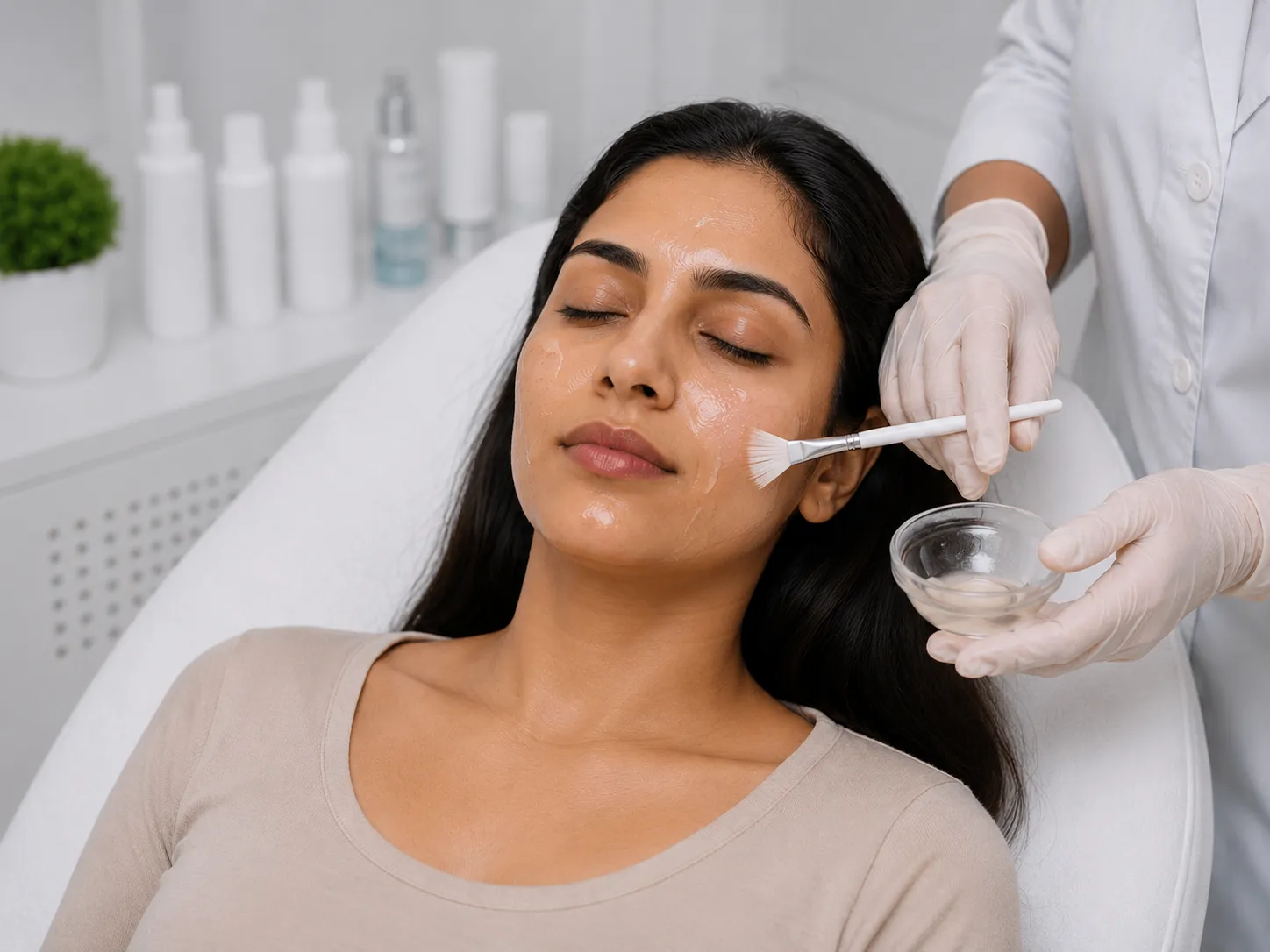
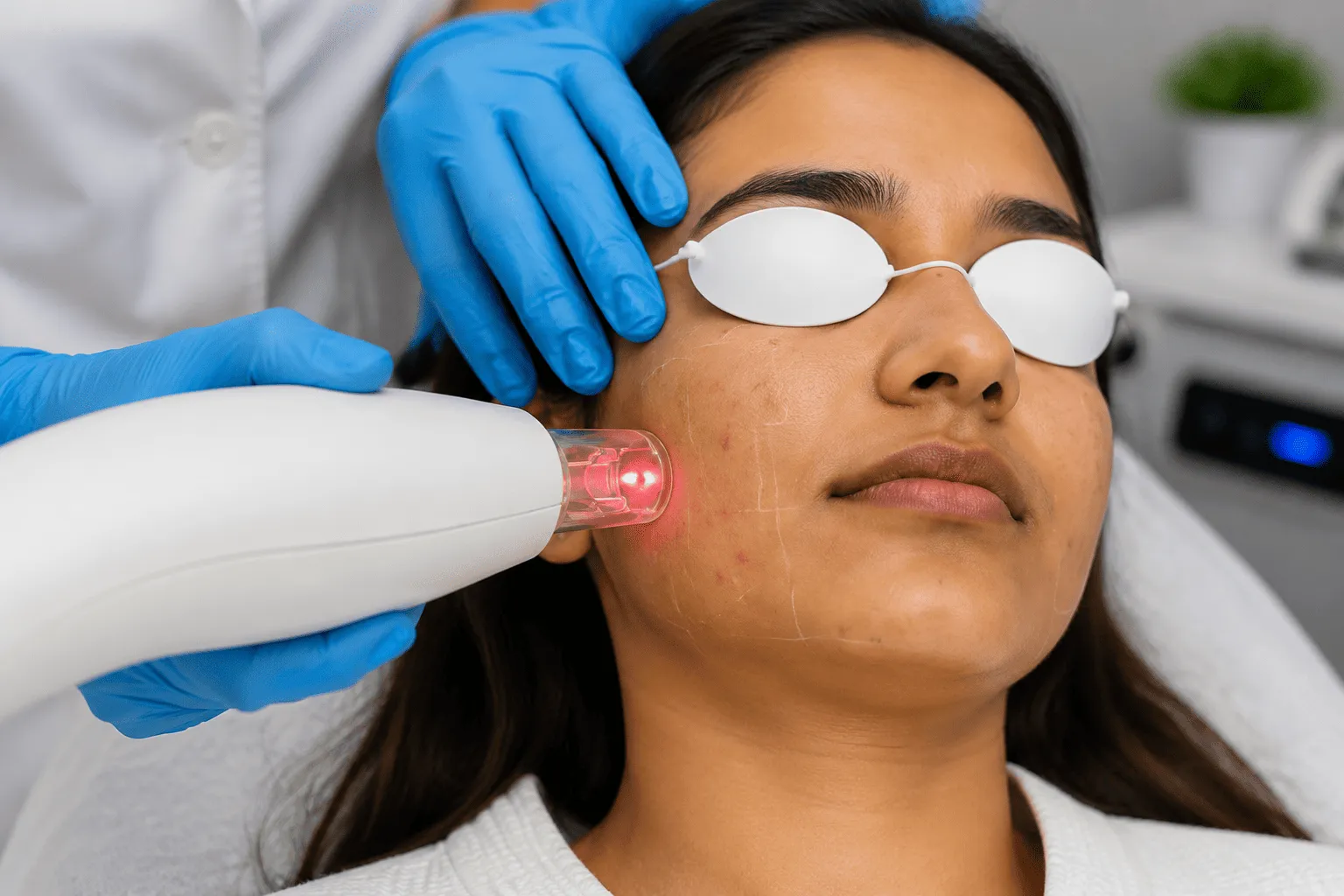
After a skin assessment, treatment may include: Prescription topical medications, oral medications when appropriate, chemical peels for selected cases, procedures that support acne and acne-mark management, and skincare guidance for barrier protection.
The goal is not only to clear existing acne but also to reduce the chances of future breakouts and acne-related skin damage.
There is no single best acne treatment for everyone because acne varies from person to person. A personalized treatment plan is usually more effective than using the same products for every type of acne.
Treatment planning considers: Oily, combination, or sensitive skin; teenage or adult acne; hormonal acne patterns; facial and body acne; acne with pigmentation; acne with early scarring; and previous treatment history.
This personalized approach helps improve treatment effectiveness while reducing unnecessary irritation.
Choose Safa Skin and Hair Clinic in Egmore for personalized dermatologist-led acne care that focuses on treating the underlying causes of breakouts and protecting long-term skin health. Our approach is based on careful evaluation, evidence-based treatment and ongoing support.
Patients choose us because we provide: Personalized acne treatment plans, dermatologist-guided evaluation, treatment for different acne types, focus on scar and pigmentation prevention, skin barrier-friendly treatment strategies, and follow-up care and treatment monitoring.
Our goal is to help you achieve clearer, healthier-looking skin with a treatment plan that is suitable for your skin condition and lifestyle.
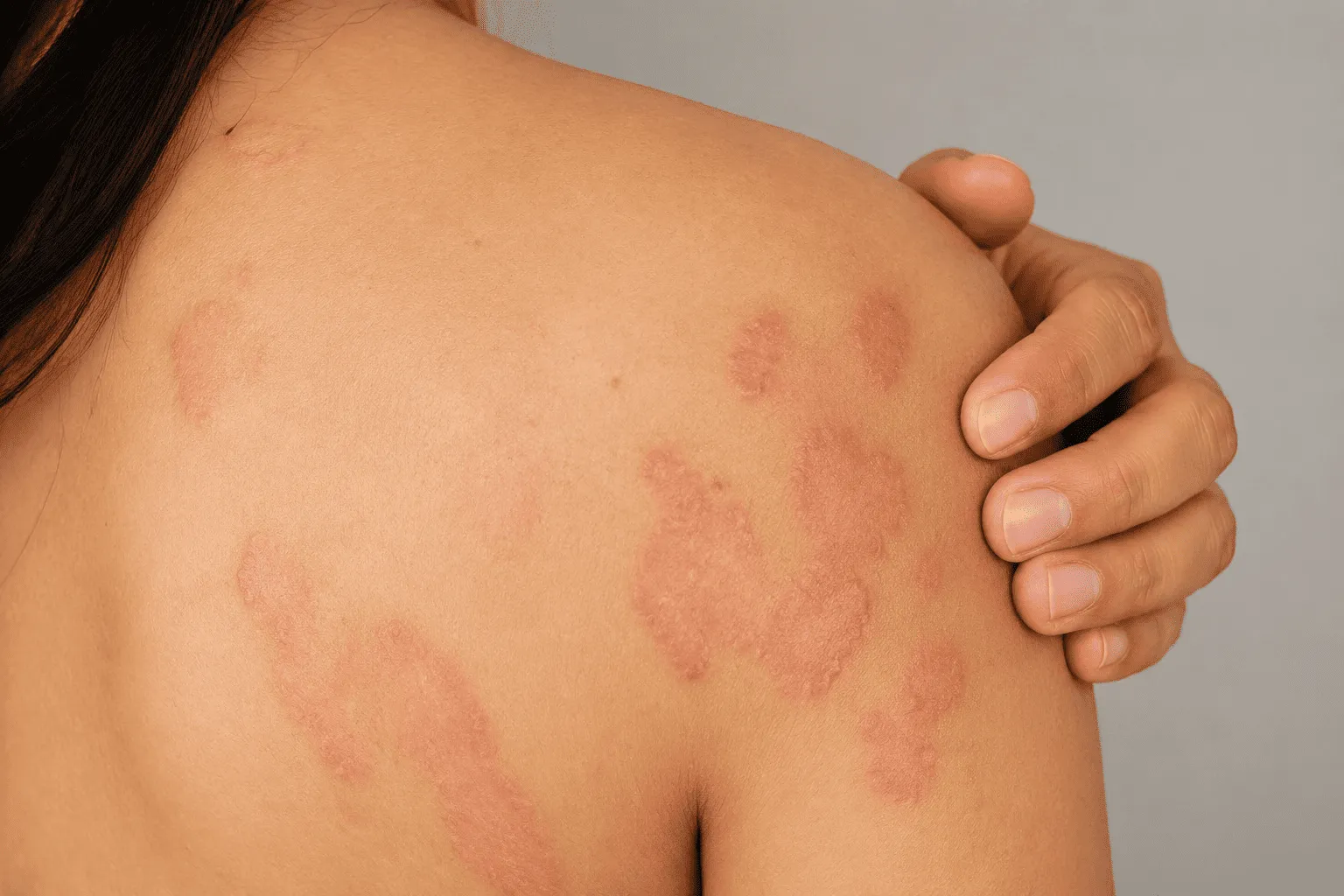
Acne treatment in Egmore is recommended for teenagers and adults with recurring pimples, painful acne, hormonal breakouts, body acne, acne marks, or early acne scars. Early treatment can reduce inflammation, improve skin health and help prevent long-term skin damage.
Acne is not limited to teenagers. Many adults continue to experience breakouts due to hormonal changes, stress, genetics, excess oil production, or skincare-related factors. When acne becomes frequent or starts affecting your confidence, professional treatment becomes important.
You should consider acne treatment if you have persistent pimples, painful cystic acne, dark marks after breakouts, acne on the chest or back, or acne that keeps returning despite using skincare products. A dermatologist can evaluate your skin condition and recommend a personalized plan.
You should see a dermatologist if acne is painful, recurring, leaving marks, causing scars, or not improving after several weeks of skincare or over-the-counter treatments. Professional evaluation helps identify the underlying cause and prevent worsening breakouts.
Many people wait until acne becomes severe, but early treatment can help reduce inflammation and lower the risk of permanent acne scars. Delaying treatment may allow repeated breakouts to affect skin texture and pigmentation.
Seek medical advice if your acne is spreading, becoming more painful, appearing suddenly in adulthood, or returning repeatedly after temporary improvement. Early diagnosis allows treatment to focus on underlying triggers.
An acne consultation includes a detailed skin examination, acne severity assessment, trigger evaluation and a personalized treatment plan based on your skin type, breakout pattern and treatment history. The goal is effective and long-term acne control.
The consultation begins with understanding your acne pattern, previous treatments, skincare routine, hormonal symptoms and any factors that may be triggering your breakouts.
Your dermatologist will examine active acne, acne marks, pigmentation and signs of early scarring before recommending suitable medications, procedures, or skincare changes. A customized treatment plan helps improve results while preventing future breakouts.
Preventing recurring acne requires consistent skincare, sun protection, avoiding pimple picking and following your dermatologist’s treatment plan even after your skin begins to improve. Maintenance care helps reduce future breakouts and acne-related skin damage.
Many people stop treatment as soon as acne improves, which can lead to recurring breakouts. Acne management often requires maintaining skin balance and controlling the factors that trigger new pimples.
A gentle skincare routine, regular sunscreen use, avoiding harsh products and attending follow-up visits can help maintain clearer skin over time. Long-term acne prevention focuses on reducing inflammation and protecting the skin barrier.
A dermatologist examines the type of acne, severity, skin sensitivity, pigmentation and any signs of scarring.
We identify possible contributing factors such as hormones, skincare products, lifestyle habits, medications and recurring breakout patterns.
A customized treatment plan is created based on your skin condition and treatment goals.
Regular follow-ups help assess improvement, adjust medications if needed and prevent new breakouts or acne marks.