



Vitiligo develops when areas of skin lose pigment, creating smooth white patches that may remain stable or change over time. The condition is not infectious, but its visible nature can affect confidence.
At Safa Skin and Hair Clinic, we assess its pattern and activity before recommending care aimed at stabilisation and possible repigmentation.

Treatment may include topical medication, phototherapy or selected procedures depending on age, affected areas and disease activity. Responses can vary across different parts of the body.
Our approach is centred on limiting progression, encouraging colour return where possible and maintaining realistic expectations.
We assess the distribution, activity, and extent of vitiligo patches along with autoimmune screening to understand the underlying immune triggers.
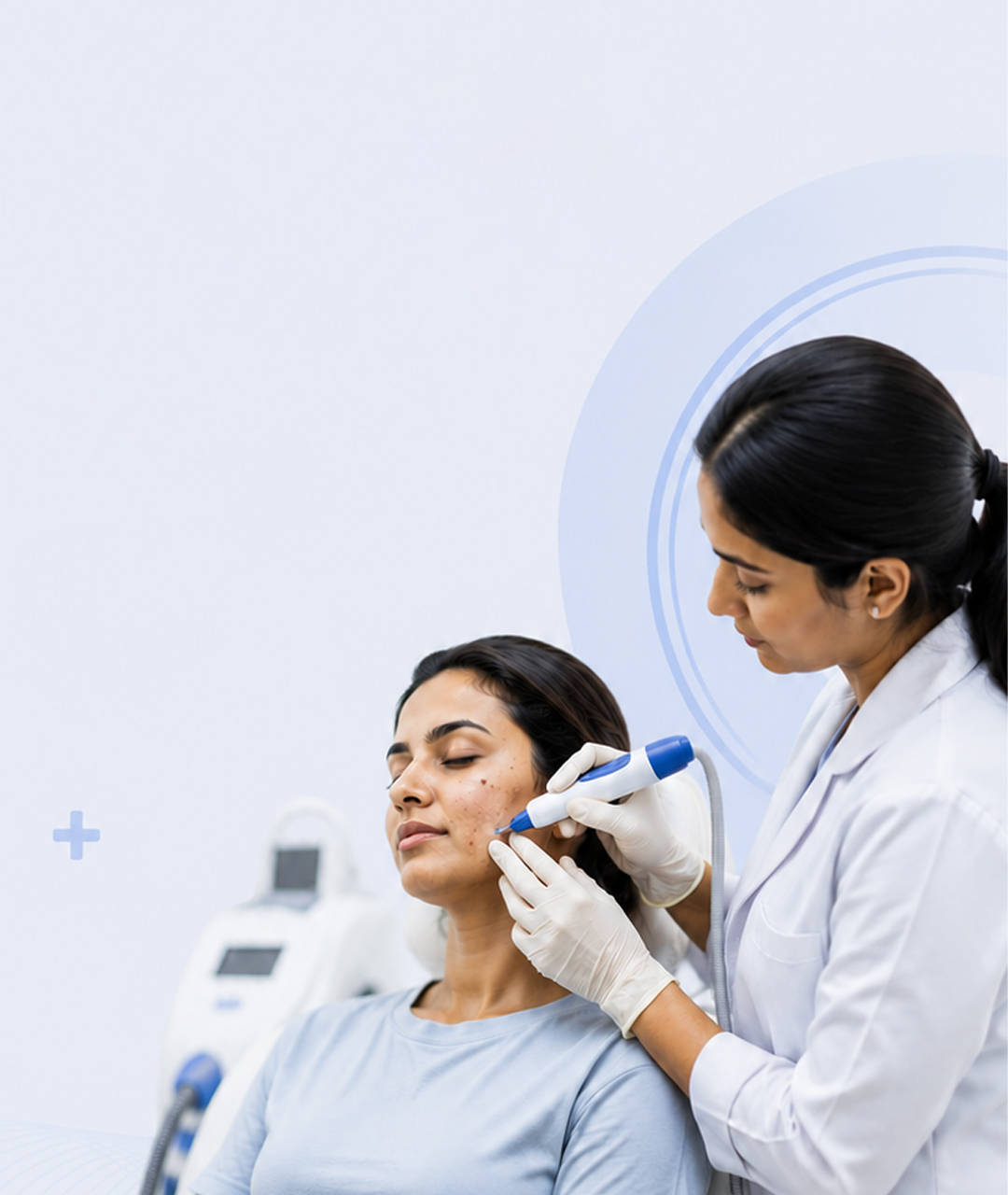
A personalised treatment plan is developed including narrowband UVB phototherapy, topical therapies, or surgical options depending on disease stability.
Clinically proven treatments are administered to stimulate melanocyte activity, promote repigmentation, and halt the progression of vitiligo.
Regular follow-up sessions and maintenance therapy help sustain repigmentation, monitor for new patches, and support long-term skin health.